Study in Canada from Chennai
Canada takes longer than the UK but pays it back: a post-graduation work permit of up to three years, permanent-residency pathways, and college programmes that accept profiles the UK would refuse.
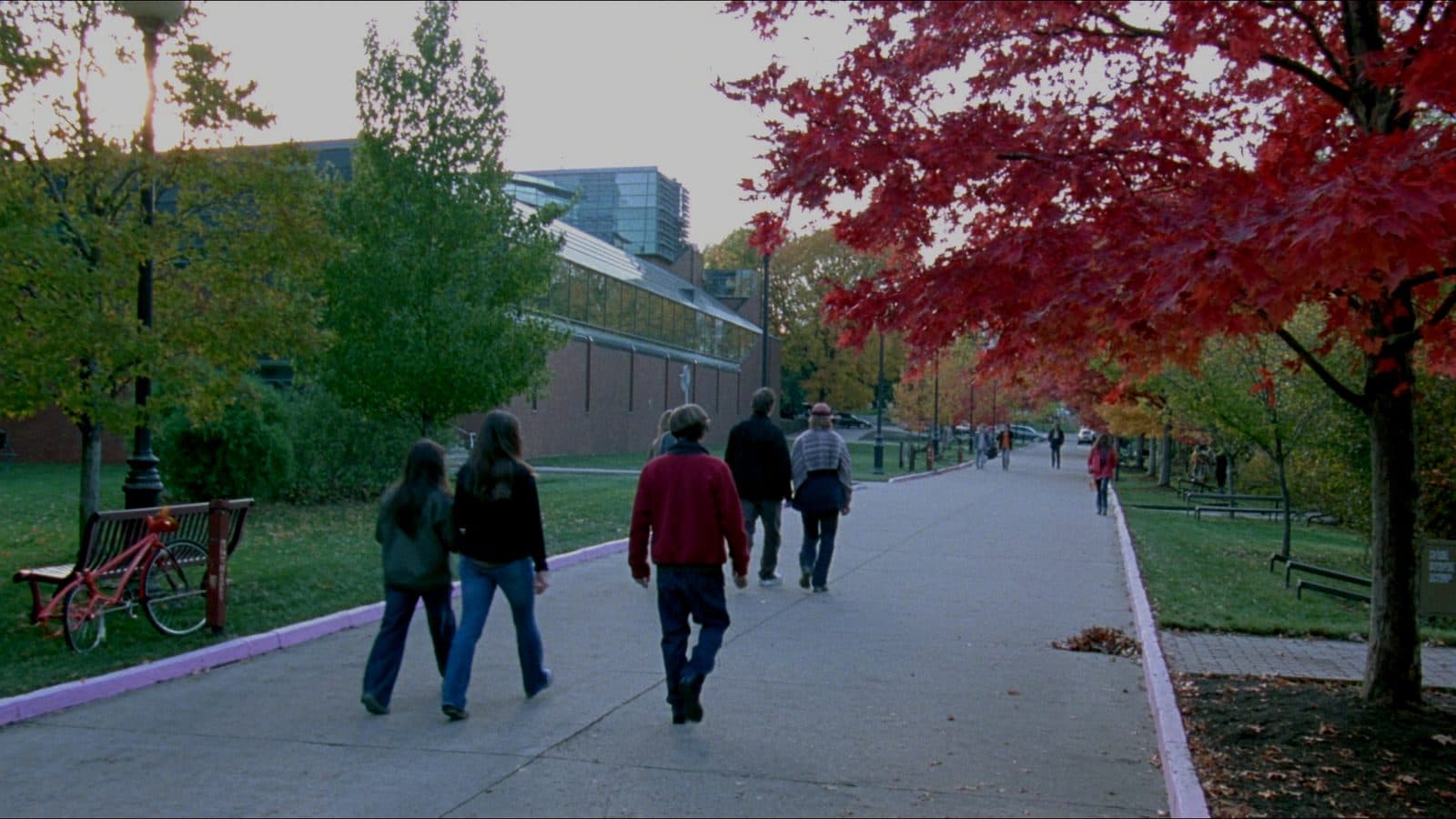
Studying in Canada from Chennai: the short answer
Canada suits students who want the longest work runway after study. For 2026 you show C$23,448 for a year’s living costs on top of first-year tuition, and a master’s earns up to three years of post-graduation work. College diplomas qualify only in listed fields, so the course choice matters more than it used to.
Why do Indian students choose Canada, and who does it suit?
The post-graduation work permit is the reason most students choose Canada. A master’s degree earns up to three years of open work rights even if the programme is shorter than two years, and a college programme of two years or more can earn three years too.
It also suits students whose academics are mid-range. Colleges like Sheridan and Conestoga accept averages in the low 60s with a strong IELTS, and their programmes are built around co-op placements rather than research.
The rules have tightened since 2024. College graduates now need to have studied in a field linked to a long-term shortage to get a work permit at all, and every graduate must prove English or French. We check both before you apply, not after you graduate.
- Course length
- 1–2 years (diploma or master’s)
- Post-study work
- PGWP, up to 3 years
- Main intakes
- September, January, May
- Living funds to show
- C$23,448 (from 1 Sept 2026)
How much does it cost to study in Canada from India?
A year in Canada costs most Chennai students ₹26–43 lakh, because the living-cost minimum IRCC asks you to prove is now C$23,448 on its own. Tuition ranges below are indicative; your offer letter sets the real figure.
| Item | CAD | INR approx. |
|---|---|---|
| Tuition, college diploma (indicative) | C$15,000–22,000 | ₹10–15 L |
| Tuition, master’s (indicative) | C$20,000–40,000 | ₹14–27 L |
| Living funds, IRCC minimum for one year | C$23,448 | ₹15.9 L |
| Study permit plus biometrics | C$150 + C$85 | ₹0.16 L |
Worked example: a two-year Ontario college diploma
A two-year diploma at C$18,000 a year in tuition, which is typical of the college programmes we place into, budgeted at IRCC’s living-cost minimum.
| Item | CAD | INR approx. |
|---|---|---|
| Tuition, two years | C$36,000 | ₹24.5 L |
| Living, two years at the IRCC minimum | C$46,896 | ₹31.9 L |
| Study permit plus biometrics | C$235 | ₹0.16 L |
| Total before flights and insurance | C$83,131 | ₹56.5 L |
The permit file asks for the first year only: first-year tuition plus C$23,448, most often shown through a Guaranteed Investment Certificate. Health insurance depends on the province and is not included.
Figures checked 24 September 2026 against IRCC: Proof of financial support; IRCC: Fee list. Rules change, so confirm them yourself on the day you apply.
INR at rounded mid-market rates on 23 September 2026: £1 ≈ ₹127, €1 ≈ ₹109, US$1 ≈ ₹96, C$1 ≈ ₹68, A$1 ≈ ₹68, SEK 1 ≈ ₹9.7, AED 1 ≈ ₹26.
Want the exact figure for your shortlist?
Send us your marks and budget. We cost your Canada options in rupees, free.
When should you apply for the Canada September intake?
For September, start a year ahead. January and May intakes exist, mostly at colleges, with fewer programmes on offer.
August–October, a year ahead
Shortlist, book IELTS or PTE, and check that any college programme is in a field that still earns a work permit.
October–January
Apply. Popular college programmes close early; university master’s deadlines usually fall between December and February.
January–March
Letter of acceptance and tuition deposit. The institution arranges your provincial attestation letter unless your programme is exempt.
March–May
Open the GIC, get the education loan sanctioned, and file the study permit online, followed by biometrics.
June–August
Approval letter, flights and accommodation. The permit itself is issued by the officer when you land.
How does the Canadian study permit work?
A Canadian study permit rests on three documents: a letter of acceptance from a designated learning institution, in most cases a provincial attestation letter, and proof you can pay for the first year.
Letter of acceptance
From a designated learning institution. Check the institution’s DLI number before you pay anything.
Provincial attestation letter
Usually required. From 1 January 2026, master’s and doctoral students at public institutions are exempt, but must show they qualify for the exemption.
Proof of funds
First-year tuition plus C$23,448 for a single student applying on or after 1 September 2026. IRCC accepts a GIC, an education loan from a bank, six months of bank statements, and other evidence.
Apply online and pay
The study permit fee is C$150 and biometrics cost C$85. Book biometrics as soon as the instruction letter arrives.
Decision and arrival
An approval letter, then the permit issued at the port of entry. Processing times vary through the year; IRCC publishes current ones.
How we handle it
We open the GIC, assemble the study-permit file and prepare your statement of purpose for the visa officer, which in Canada carries more weight than most applicants expect.
The living-cost figure is reset every September, so we recalculate it against the rule in force on the day you apply rather than the one on your offer letter.
Student visa assistanceScholarships worth applying for
- Ontario Graduate Scholarship
- Vanier Canada Graduate Scholarships
- College entrance awards, usually modest
- University-specific international merit awards
Can you work in Canada while studying and after?
During term you can work up to 24 hours a week off campus, and without a limit during scheduled breaks such as the summer and winter holidays.
A master’s degree earns a post-graduation work permit of up to three years, even if the programme was shorter than two years. For college programmes, eight months to under two years earns up to the length of the programme, and two years or more earns up to three years.
Since 1 November 2024, graduates must prove English or French: CLB 7 for university degrees and CLB 5 for college programmes. College and non-degree graduates must also have studied in an eligible field linked to long-term shortages. That list is the first thing we check.
Figures checked 24 September 2026 against IRCC: Provincial attestation letter; IRCC: Working off campus; IRCC: Post-graduation work permit, length; IRCC: Post-graduation work permit, eligibility. Rules change, so confirm them yourself on the day you apply.
Is Canada right for you?
It suits you if
- You want the longest post-study work period and a possible route to permanent residence.
- Your average is in the low-to-mid 60s and you want a practical, co-op based programme.
- You are comfortable with a two-year commitment before you start earning full time.
Think again if
- Your budget is tight. The living-cost minimum alone is now C$23,448 a year.
- The college course you want is outside the eligible fields, which means no work permit afterwards.
- You are counting on permanent residence. It is possible, never guaranteed, and the rules move.
Universities and colleges we place into
Sheridan College
Interactive media, animation, business. A placement we have made repeatedly.
Conestoga College
Engineering technology, supply chain, IT. Strong co-op programmes.
University of Windsor
Master’s in engineering and computer science, accessible entry requirements.
And 30+ partners
Colleges and universities across Ontario, BC and the Prairies.
How we help with Canada
Every service is free to students. Most Canada applicants need the visa file and the loan sanction first, so those lead.
Student visa assistance
Financial documents, CAS and interview practice, prepared to current rules.
Education loan assistance
Lenders compared, collateral explained, sanctions chased for you.
University & course selection
A shortlist built around your marks, budget and the career you actually want.
Application & documentation
SOPs, LORs, transcripts and portals handled to deadline, checked before submission.
Travel & pre-departure
Accommodation, flights, forex and the first-week checklist for your city.
Canada questions we get every week
Know where you stand before you spend a rupee.
Book a free 45-minute consultation with Mansoor, in Egmore or on a call. Bring your marksheets and a budget range, and leave with a shortlist you can act on.